Park Ridge Plastic Bag Ban
Effective January 1, 2027
Part 1. Plastic Bag Ban is Coming to Park Ridge
Park Ridge’s single-use plastic bag ban is effective January 1, 2027, for retail stores larger than 7,500 sf. This is the perfect time for residents to develop a habit of bringing reusable shopping bags to stores.
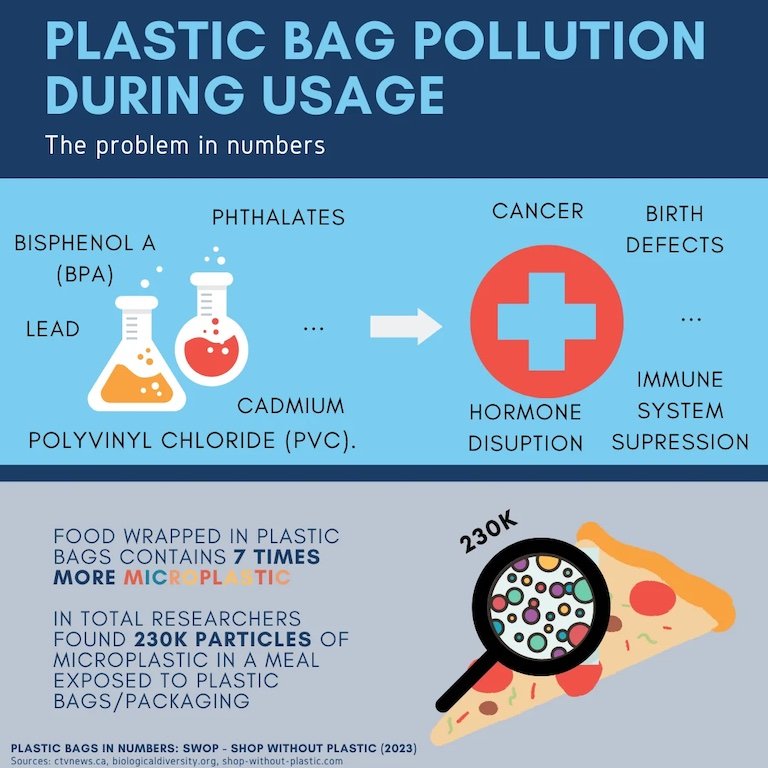
First, avoiding plastic bags is an easy way to protect your health. Plastic sheds microplastics, which can enter your body through eating, drinking, breathing, and skin absorption. Microplastics are found in every organ in your body, and their presence is linked to cancer, brain disease, and endocrine (hormone) disruption. Hormones regulate all body functions, including blood sugar, metabolism, and fertility. Without these organs functioning properly, your risk of diabetes, obesity, infertility, and other diseases increases.
Why is plastic toxic? Virgin plastic needs synthetic chemicals added to it to make it strong, flexible, long lasting, waterproof, and grease resistant. There are over 16,000 chemicals associated with plastic, and 1,000 of them are classified as endocrine disruptors. But the good news is that reducing plastic usage can help you improve your health. Recently, Netflix released a documentary called The Plastic Detox, where six couples struggling with infertility reduced their exposure to plastic for just 90 days. Three of the couples were able to conceive after years of infertility.
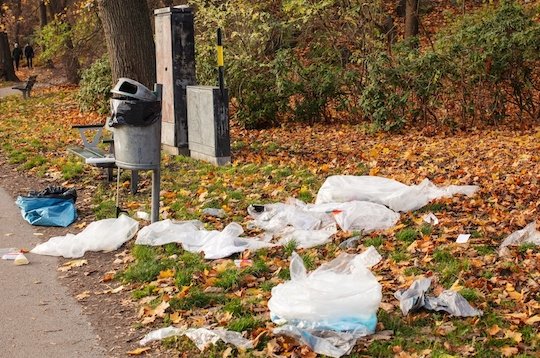
Second, reducing your use of plastic bags helps your community. Think about all the plastic waste dirtying streets, parks, beaches, lakes, and rivers. Our communities are overflowing with plastic. The average American generates more plastic waste than residents of any other major country. 90% of our waste goes to landfills, gets burned, or is shipped to other countries. According to Statista, plastic use in the U.S. has more than tripled since the 1980s, and only 5% of the plastic is recycled. Plastic recycling is not really circular. It downgrades in strength every time it gets processed, and can only be recycled to lower-grade materials like fleece and park benches, which then shed microplastics. Recycled plastic has been found to be more toxic than the original plastic. The real solution is to stop using plastic whenever possible. Bringing your own cotton bag when you shop is a simple way to stop contributing to the overflow of plastic in your community.

Last but not least, saying no to plastic bags helps the environment and everyone in it. Plastic is produced from fossil fuels, which emit billions of tons of greenhouse gases and toxic pollutants that raise the planet’s temperature. As extreme weather events like heatwaves, flooding, drought, severe storms, and wildfires threaten lives and livelihoods locally, nationally, and globally, we must all do our part to minimize the acceleration of climate warming.
Saying no to single-use plastic bags is the first step in tackling our plastic problem. Let’s do it, Park Ridge!
Part 2. What to Use Instead of Single-Use Plastic Bags
Options include using no bag, cotton bags, paper bags, and thicker plastic bags. In choosing a substitute, consider the three reasons to stop using single-use plastic bags: health, waste, and environmental impacts.

No bag — one of the best options
Sometimes, when you are buying one or two items or an item with a handle, you don’t need a bag. You can even wheel your entire purchase to your car and put them into the boxes in your trunk. Some stores offer boxes for their customers to bring their purchases home.
Conclusion: If you don’t need a bag or if you have a way to bring home without bags, don’t get one.

Cotton bags — also one of the best options
Cotton bags do not shed microplastics, which harm your health. Make sure that the bag isn’t a blend of cotton and polyester, since polyester is a type of plastic. The ideal material is 100% organic cotton, grown without pesticides.
Because cotton bags don’t wear down after a few uses, you can use them for many years. If they get dirty, turn them inside out and wash with cold water by hand or throw them in a cold-water wash. It is best to air dry on a hook or doorknob to avoid shrinkage.
Cotton does take a lot of energy to produce, from growing and harvesting to weaving and dyeing. Therefore, it is imperative that you reuse the bags for a very long time. If you tend to forget to bring bags when you shop, hang them by the door or leave them in your car.
If you already have one or more cotton bags, use them regularly and don’t buy new bags. Look through your collection of reusable bags and see which ones are cotton, and which ones have plastic, such as polyester or nylon, in them. Reuse the cotton ones.
Conclusion: Cotton bags are meant to be reused over and over again, which prevents waste and offset the environmental costs of producing your bags. Only get a cotton bag when you intend to reuse it. Do not stockpile them in your closet.

Paper bags — OK for occasional use
Paper bags do not shed microplastics and harm your health. However, they are still a single-use item, typically reused 1-2 times in the U.S. Once the bag rips or becomes greasy, the clean parts can be recycled. Recycled paper uses 40% less energy than making new paper, but most standard recycled bags contain only 40% recycled fibers. This is because paper fibers wear down during processing and need to be reinforced with new virgin pulp. A new paper bag uses 4 times as much energy as producing a plastic bag, and using paper bags contributes to deforestation.
Conclusion: Paper bags are fine for your health but still generate waste and are not especially good for the environment. They are ok for occasional use when you forget to bring reusable bags to the store.
Thicker plastic bags — worst option
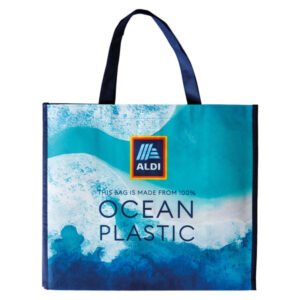
Thick plastic bags are still made of plastic—a lot more plastic. They weigh 10-15 times more than single-use plastic bags. Therefore, they have a lot more microplastics to shed. While they are considered reusable, people only reuse them a handful of times before they are discarded. They are more energy intensive to produce.
Conclusion: Avoid using thick plastic bags. They are not a good substitute for single-use plastic bags.